Compare Local Contractors for Basement Floor Sawing Services
Compare local contractors for basement floor sawing to define project scope, verify experience, and establish clear expectations for a successful job.
Basement floor sawing is a specialized service that involves cutting into concrete or other hard flooring materials to create openings, control joints, or prepare surfaces for further construction work. This process typically covers tasks such as cutting through existing slabs for plumbing or electrical installations, creating access points for future renovations, or making precise cuts for crack control and expansion joints. Properly executed, basement floor sawing helps ensure structural integrity while providing the necessary access points for ongoing or future building projects.
Defining the scope of basement floor sawing work is essential to achieving clear expectations and successful results. It involves understanding the specific areas that need cutting, the depth and thickness of the material, and any particular considerations such as reinforcement within the concrete. Clearly outlining these details in writing helps property owners communicate their needs effectively with service providers and reduces the risk of misunderstandings. Accurate scope definition also assists contractors in assessing their capabilities and preparing appropriately for the job.
When comparing local contractors for basement floor sawing, property owners should consider experience, references, and reputation within the community. Verifying the background of service providers can help identify those with relevant expertise and a history of quality work. It’s also beneficial to review the scope of services offered and ensure that the contractor understands the specific requirements of the project. Gathering information on how each contractor approaches scope definition and documentation can facilitate a more informed decision, leading to a smoother project process and more reliable results.
Compare local contractors by outlining your project priorities, verifying experience, and setting clear expectations in writing.
- Verify Experience - Ensure contractors have relevant experience with basement floor sawing projects.
- Define Scope Clearly - Specify the extent of the work to prevent misunderstandings.
- Compare Multiple Contractors - Review qualifications and services to identify suitable options.
- Get Written Agreements - Document project details and expectations to establish clarity.

Clearly define your basement floor sawing project to compare local contractors, verify experience, and set expectations in writing.
- Verify the experience and expertise of local contractors in basement floor sawing projects. - Ensure that service providers clearly define the scope of work and types of saws used.
- Compare different contractors based on their qualifications and project portfolios related to basement sawing. - Look for detailed written estimates that specify materials, methods, and responsibilities.
- Assess the communication skills of service providers to ensure they understand project requirements and expectations. - Confirm that all project details are documented in a formal agreement before work begins.
- Check references or reviews to gauge the reliability and quality of previous basement sawing projects completed by local contractors. - Clarify the procedures for handling unexpected issues or changes during the project.
- Evaluate the availability of the contractor to answer questions and provide detailed explanations about their process. - Make sure the scope and responsibilities are clearly outlined in writing to avoid misunderstandings.
Compare local contractors’ experience and clarify project scope to ensure successful basement floor sawing.
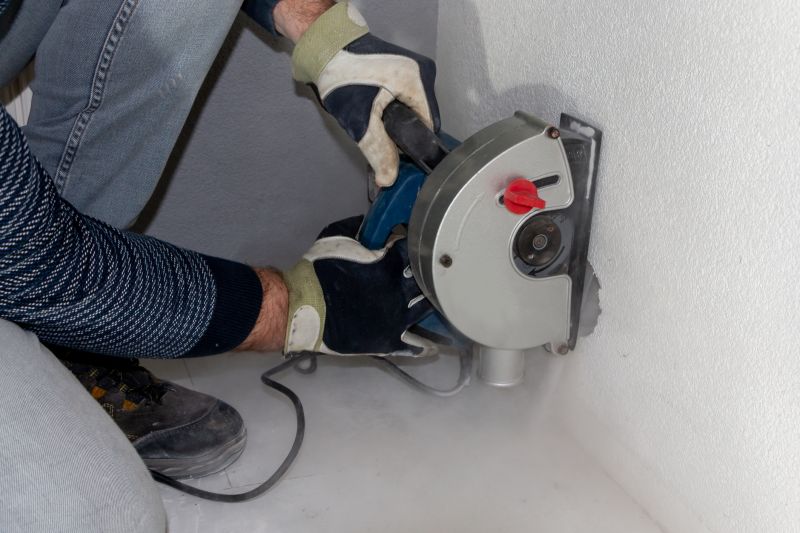

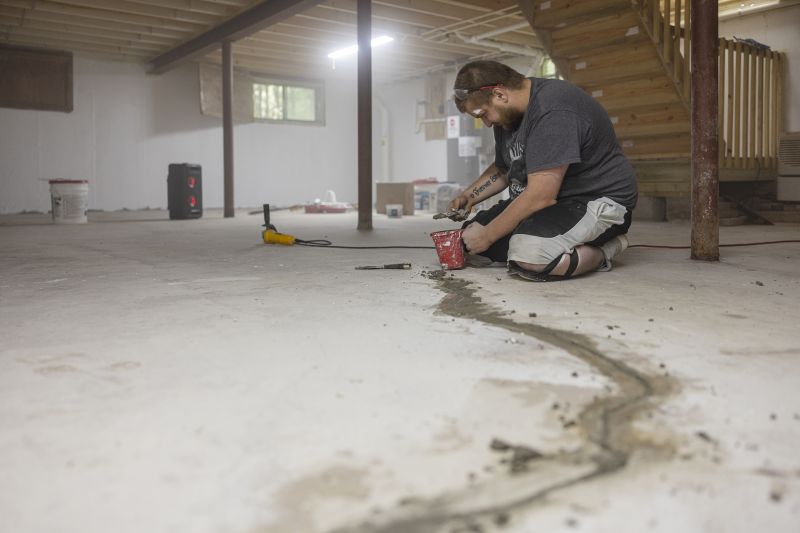

Learn how to compare local contractors for basement floor sawing by defining scope, verifying experience, and setting clear expectations.
- Project Scope - Clearly define the extent of basement floor sawing needed, including dimensions and specific areas to be cut.
- Material Considerations - Identify the type of flooring and underlying materials to ensure appropriate sawing techniques are used.
- Equipment Requirements - Specify the type and size of saws required for the job to match the project scope.
- Experience and Capabilities - Verify that local contractors have relevant experience with basement floor sawing projects of similar scope.
- Written Agreement - Ensure all project details, scope, and expectations are documented in a formal agreement before work begins.
When evaluating contractors for basement floor sawing, it is important to consider their experience with similar projects. Homeowners should inquire about the types of sawing jobs they have completed, particularly those involving basement floors, to ensure familiarity with the specific techniques and equipment required. A contractor with a proven track record in comparable projects is more likely to understand the nuances involved and deliver quality results. Gathering information about past work can help set expectations and provide confidence in their ability to handle the scope of the job effectively.
A clear, written scope of work is essential when comparing service providers. Homeowners should seek detailed descriptions of what each contractor proposes to do, including the extent of the sawing, the equipment to be used, and any preparatory or cleanup tasks involved. A well-defined scope helps prevent misunderstandings and ensures that both parties are aligned on the project’s parameters. When reviewing proposals, it’s beneficial to ask for documentation that outlines the specific steps and deliverables, creating a transparent basis for comparison.
Verifying a contractor’s basic qualifications involves checking their experience, references, and reputation within the local community. Homeowners can ask for examples of completed projects similar to theirs and request contact information for previous clients who can share their experiences. Additionally, researching online reviews or community feedback can provide insights into a contractor’s reliability and quality of work. This verification process helps identify service providers who consistently meet expectations and demonstrate professionalism in their field.
Evaluating options without focusing on prices involves carefully comparing the scope, experience, and reputation of different contractors. Homeowners should consider how well each service provider’s offerings align with their project needs and whether the proposed scope addresses all necessary aspects of basement floor sawing. It’s helpful to ask detailed questions about methods, equipment, and experience to gauge each contractor’s suitability. By focusing on these criteria, homeowners can make informed decisions that prioritize quality and reliability in selecting a local contractor for their basement floor sawing project.
Ask contractors to provide written scope details to ensure clarity and consistency before hiring.
- Experience and Expertise - What specific experience do local contractors have with basement floor sawing projects similar to this scope?
- Scope Clarification - How do contractors define and document the scope of work to ensure mutual understanding?
- Equipment and Techniques - What types of saws and techniques do service providers typically use for basement floor sawing?
- References and Past Projects - Can contractors provide references or examples of completed basement sawing projects?
- Scope Adjustments and Expectations - How are scope changes handled, and how do contractors set clear expectations in writing?
What should I consider when choosing a contractor for basement floor sawing? It's important to evaluate the contractor's experience with similar projects, verify their reputation through references or reviews, and ensure they understand the scope of work to meet your specific needs.
How can I define the scope of basement floor sawing work? Clearly outline the area to be cut, the depth required, and any specific considerations like reinforcement or access points. Communicating these details in writing helps ensure alignment with the contractor.
What questions should I ask a contractor before hiring for basement floor sawing? Inquire about their experience with similar projects, the equipment they use, safety procedures, and how they plan to handle potential challenges during the job.
Why is it important to verify a contractor's experience with basement floor sawing? Confirming their experience helps ensure they are familiar with the techniques and equipment necessary to perform precise cuts and handle the specific demands of basement flooring.
How can I ensure clear communication with a contractor about my basement sawing project? Provide detailed project specifications in writing, ask for a written scope of work, and clarify any questions upfront to set proper expectations and avoid misunderstandings.
What should I do to compare different contractors for basement floor sawing? Review their experience, request references or project examples, verify their understanding of your project scope, and compare how they plan to approach the work to find the best fit for your needs.
Visitors now have a clear understanding of how to find qualified contractors for basement floor sawing, including how to define the scope of work, verify experience, and set clear expectations in writing. By comparing options through a straightforward quote form, they can efficiently evaluate local service providers to find the right match for their project needs. Utilizing this approach helps ensure informed decisions when selecting a contractor for basement floor sawing.
Encouraging visitors to use the quote form provides an easy way to connect with experienced local contractors who can handle basement floor sawing tasks. Comparing multiple options allows for a better understanding of each service provider’s offerings and helps in making well-informed choices. Taking this step can streamline the process of finding the right contractor to meet specific project requirements.